Items Commonly Accepted in a Roll-Off Dumpster
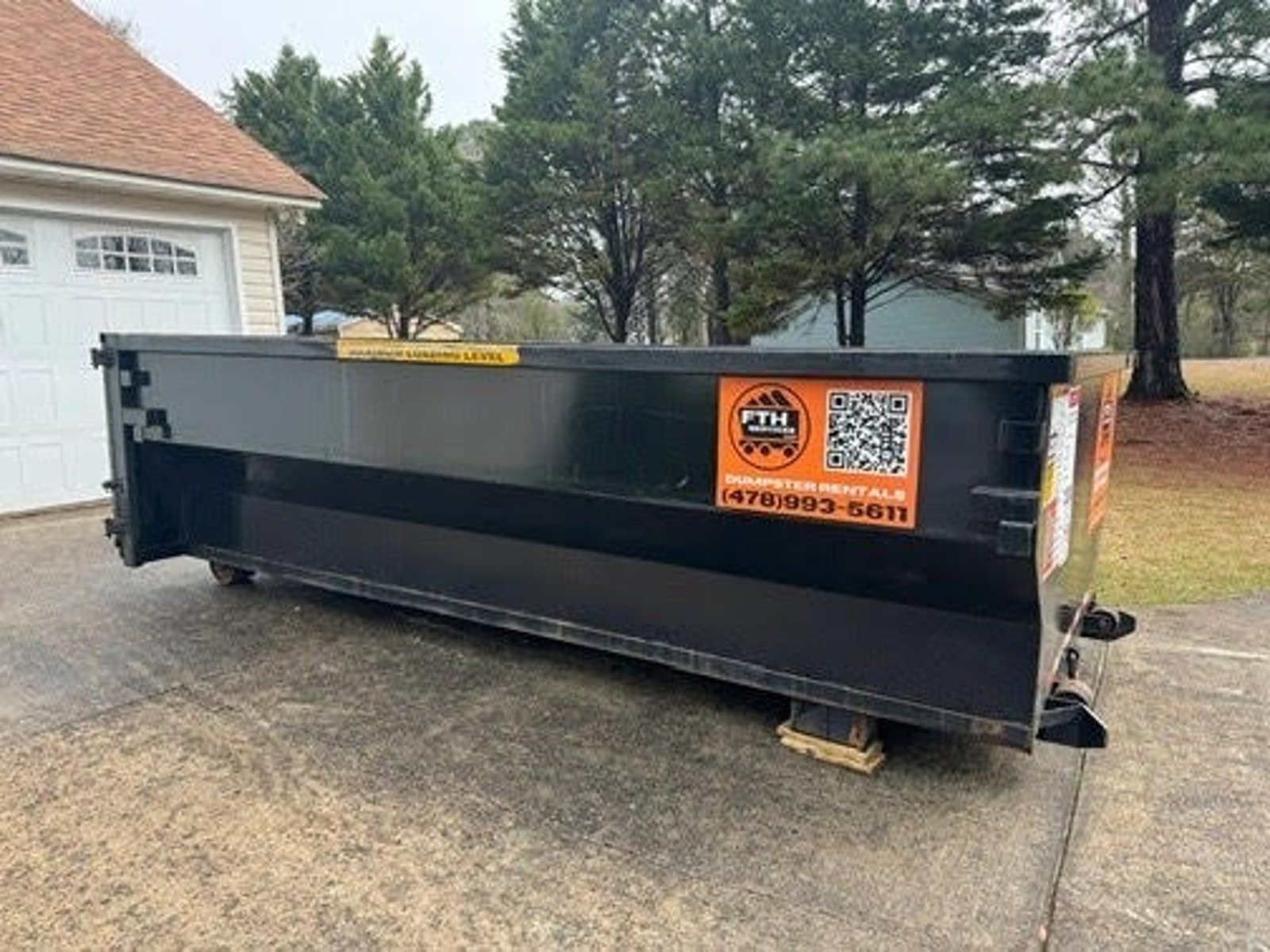
Use this page as a practical loading reference before you book or before you start filling the dumpster. Most accepted loads include non-hazardous household junk, furniture, bagged cleanout material, light remodeling debris, garage clutter, yard debris, and contractor cleanup material. The main questions are whether the item is safe to haul, legal to dispose of, below the rim, and within the weight limits for the rental.
Household Cleanout Items
- Bagged household clutter and general junk
- Boxes from closets, attics, and storage rooms
- Toys, plastic bins, decorations, and non-hazardous storage items
- Books and paper records in reasonable amounts
- Small household goods, decor, and non-breakable loose items
- Bagged clothing, bedding, towels, and linens
- Move-out debris after sorting donations and keepsakes
- Broken or worn household items that are not hazardous
Furniture and Bulky Items
- Sofas, loveseats, and sectionals
- Recliners, chairs, ottomans, and benches
- Coffee tables, end tables, dining tables, and desks
- Dressers, nightstands, bed frames, and headboards
- Bookshelves, entertainment centers, and cabinets
- Rugs and carpet rolls from residential cleanouts
- Patio furniture and outdoor seating
- Broken furniture that cannot be donated or reused
Mattresses and Bedroom Material
- Mattresses and box springs loaded upright when possible
- Bed frames, rails, slats, and headboards
- Dressers, wardrobes, and nightstands
- Bagged bedding, pillows, and linens
- Closet cleanout debris after usable items are removed
- Mirrors wrapped or protected before loading
- Bedroom desks, chairs, and shelving
- Children’s furniture and non-hazardous nursery items
Appliances and Fixtures
- Washers and dryers
- Stoves and ovens
- Dishwashers
- Water heaters when drained
- Microwaves and small kitchen appliances
- Sinks, toilets, and vanities from residential remodels
- Cabinets and countertops in manageable sections
- Allowed appliances should be loaded near the rear doors when practical. Appliances with refrigerant are not accepted unless refrigerant has been professionally removed.
Remodeling and Construction Debris
- Drywall, trim, and interior wood debris
- Cabinets, vanities, doors, and shelving
- Flooring, carpet, padding, laminate, and tile debris
- Light demolition debris from kitchens, bathrooms, and rooms
- Plywood, paneling, and non-treated wood scraps
- Packaging from remodel materials
- Small amounts of siding, fixtures, and hardware
- Heavy or dense debris should be discussed before loading large quantities.
Garage, Shed, and Outdoor Items
- Non-hazardous tools and hand equipment
- Shelving, storage racks, and workbench debris
- Bicycles, sports equipment, toys, and outdoor gear
- Lawn furniture, garden tools, hoses, and sprinklers
- Scrap metal in reasonable amounts when non-hazardous
- Shed cleanout debris and old storage material
- Storm cleanup debris when suitable for the load
- No fuel, oil, batteries, chemicals, wet paint, or pressurized tanks inside the dumpster.
Yard Debris and Landscaping Material
- Branches, brush, and limbs cut to fit below the rim
- Leaves, small plant material, and bagged yard debris when accepted for the load
- Shrubs and light landscaping debris
- Fence boards and deck boards when not treated as hazardous material
- Outdoor clutter mixed with yard cleanup material
- Storm debris that does not hang over the top rail
- Small limbs should be cut down so they do not stick out of the container
- Tree stumps, dirt, rock, brick, concrete, and heavy fill are not accepted.
Roofing and Exterior Debris
- Asphalt shingles when approved for the rental
- Felt, underlayment, flashing, drip edge, and vents
- Small amounts of roof decking when included in the project
- Siding, trim, and exterior repair debris
- Gutters and downspouts cut to fit inside the dumpster
- Roofing debris must be planned by weight before loading
- Commercial roofing, TPO, insulation, gravel, river rock, or ballast should be discussed before booking
- All material must stay below the rim and within the container.
Usually Accepted
- Household cleanout debris
- Furniture and boxes
- General non-hazardous clutter
- Light remodeling debris
- Cabinets, fixtures, flooring, drywall, trim, and wood
Loading Notes
- Load mattresses and box springs first, standing vertically on the long edge when possible
- Appliances with refrigerant are not accepted. Load appliances without refrigerant at the rear barn doors.
- Plan roofing shingles, large amounts of yard debris, and unusually heavy remodeling debris before loading
Not Accepted
- Tires, batteries, and wet paint
- Chemicals, fuel, oil, liquids, and biohazard waste
- Concrete, dirt, brick, rock, heavy fill, and tree stumps
How to Load Accepted Items
- Keep all material below the rim/top rail of the dumpster.
- Kitchen trash and clothing must be bagged before loading.
- Mattresses and box springs should be loaded vertically with the long ends facing the front and rear of the dumpster when space allows.
- Appliances with refrigerant are not accepted. Appliances without refrigerant should be loaded at the rear barn doors so they can be accessed at disposal.
- Spread heavy material evenly and avoid placing dense debris in one corner of the container.
Weather and Weight Advice
Rain can make absorbent material much heavier. Mattresses, box springs, couches, upholstered furniture, carpet, padding, clothing, cardboard, drywall, insulation, yard debris, and bagged trash can gain weight quickly when wet. Cover absorbent items when possible, load them before heavy rain, and plan unusually heavy or water-soaked debris before loading.
Important Rental Rules
Standard rentals include 1 ton of disposal weight. Weight over the included amount is billed at $75 per ton, prorated. Material loaded above the rim/top rail can create additional fees, require unloading, or delay pickup. Review the Terms and Conditions for loading rules, added charges, and customer responsibility.