
Furniture and mattresses
Couches, recliners, tables, dressers, mattresses, box springs, and bed frames from room cleanouts or moving projects.
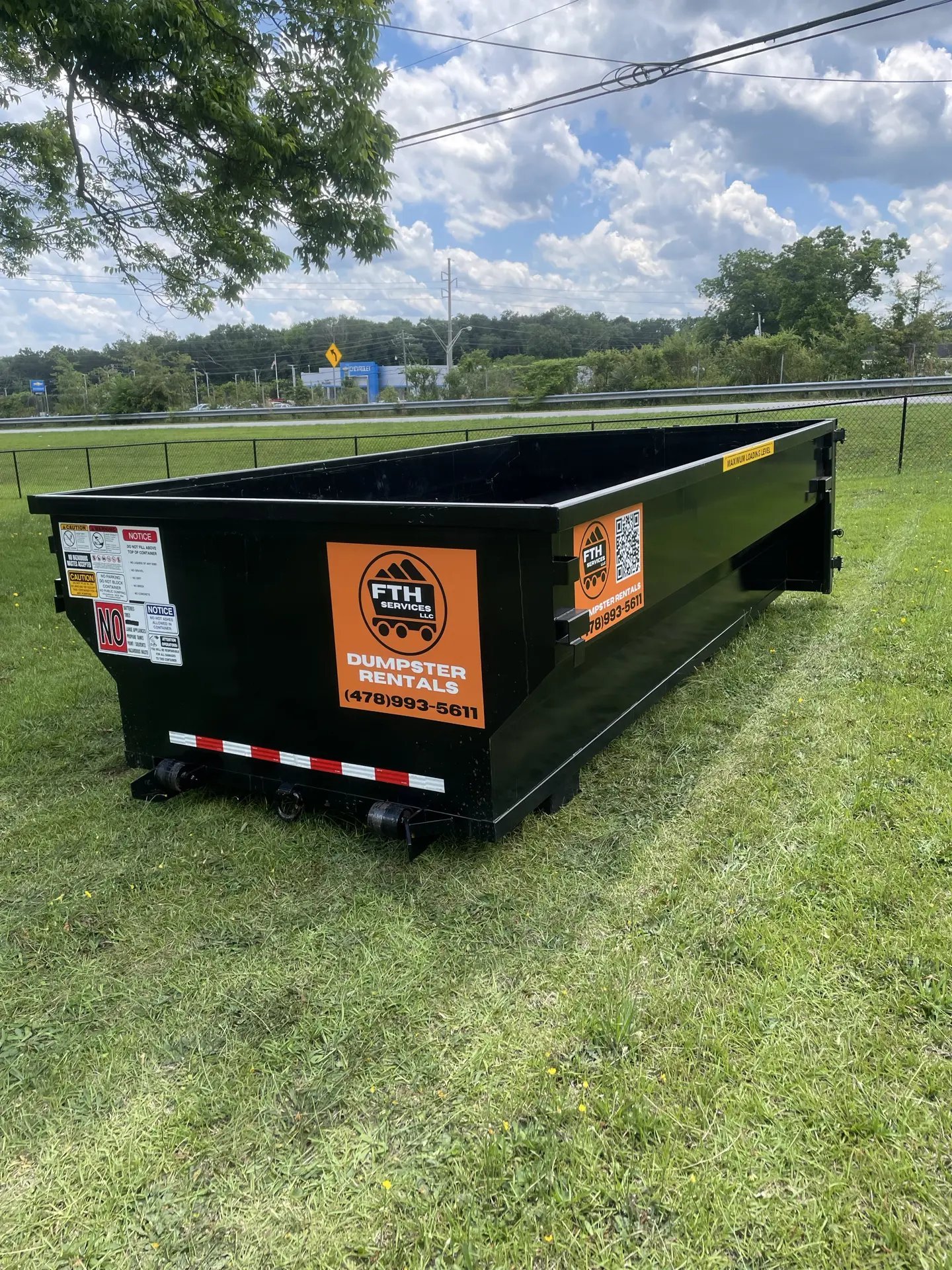
The main FTH Services rental path: driveway-conscious dumpsters for home cleanouts, garage cleanouts, moving debris, estate work, yard cleanup, and small residential remodeling.
Residential work is the core of FTH Services. Most customers are homeowners who need one driveway-friendly container for a garage cleanout, estate cleanout, move-out, yard cleanup, home repair, or small remodel.
FTH helps answer the practical homeowner questions before delivery: where the dumpster should go, what can be loaded, how to protect the driveway, which size fits the project, and what costs can change the final bill. That matters when the debris pile grows during a garage, estate, moving, or home repair cleanup.
Start with the rooms or areas being cleaned out. For example, a garage cleanout with boxes and small furniture may need less space than a full-home cleanout with couches, mattresses, and bagged debris. Also think about what has been stored for years, because tools, books, hardware, and wet items can be much heavier than they look.
Before delivery, choose a firm driveway or gravel area with enough room for the truck to back in and set the dumpster down. Move vehicles, trailers, basketball goals, and low-hanging items out of the path. After delivery, load bulky furniture first, keep bagged trash contained, and keep everything below the top rail.
If the cleanup includes appliances, paint, tires, batteries, concrete, dirt, brick, rock, or heavy outdoor material, ask before loading. Some items are restricted, and some must be handled separately.
Couches, recliners, tables, dressers, mattresses, box springs, and bed frames from room cleanouts or moving projects.
Boxes, toys, bins, shelving, old decor, small fixtures, and stored household items that have built up over time.
Clothing, kitchen trash, linens, loose items, and small clutter should be bagged before loading.
Cabinets, trim, doors, flooring, drywall, vanities, and non-hazardous repair debris from residential projects.
Patio furniture, hoses, garden tools, broken outdoor decor, and yard debris when suitable for the load.
Leftover furniture, boxes, household junk, and damaged items after a move, tenant turnover, or downsizing project.
Residential loads usually include furniture, household clutter, boxes, non-hazardous junk, small remodeling debris, yard debris when suitable for the load, and general cleanout material. Keep paint, batteries, tires, fuel, chemicals, and pressurized containers out of the dumpster because those materials require separate disposal.
Use these estimated weights for planning only. Standard rentals include 1 ton of disposal weight, and weight over the included amount is billed at $75 per ton, prorated.
| Common item or material | Typical planning weight | Dumpster planning note |
|---|---|---|
| Standard couch | about 100–250 lb each | Bulky more than dense; load early and break down removable pieces if practical. |
| Sleeper sofa / sofa bed | about 180–350 lb each | Heavier than a regular couch because of the metal bed frame. |
| Mattress | about 50–150 lb each | Load first, standing vertically on the long edge when possible. Rain can make mattresses much heavier. |
| Recliner | about 70–150 lb each | Metal mechanisms add weight; load low when possible. |
| Dining table | about 75–250 lb each | Remove legs when practical to save space. |
| Box of books | about 30–50 lb per small box | Books are dense; spread boxes across the floor. |
| Dresser | about 80–200 lb each | Solid wood dressers are heavier; remove drawers if practical. |
| Carpet and padding | about 0.5–1.5 lb per square foot | Wet carpet gains weight quickly. |
| Bagged household clutter | varies widely | Bag loose items so the load stays cleaner and easier to handle. |
| Small appliances without refrigerant | about 30–150 lb each | Load near the rear doors when possible so they can be accessed at disposal. |
These are planning estimates only. Actual scale weight varies by size, moisture, material density, brand, construction method, and how the load is packed. FTH Services uses disposal facility weight tickets for final billing when overage applies.
Best for small garage cleanouts, attic clutter, shed debris, yard cleanup, and compact household projects.
A practical choice for multi-room cleanouts, moving debris, furniture removal, and moderate residential remodeling.
Better for estate cleanouts, whole-home cleanouts, bulky furniture, storm cleanup, and larger remodeling debris.
Most residential dumpsters are placed on a driveway or firm private surface. Clear vehicles, basketball goals, low limbs, and other obstacles before delivery.
The 12-yard dumpster is best for smaller cleanouts. The 15-yard size works for larger household debris. The 20-yard size is better for whole-home cleanouts, bulky material, remodeling debris, or larger jobs.
Keep debris below the top rail and distribute weight evenly. We do not accept concrete, dirt, brick, rock, tree stumps, tires, batteries, wet paint, or biohazard material in any dumpster.
Residential dumpster rentals work well for garage cleanouts, attic cleanup, moving debris, furniture, mattresses, room cleanouts, yard debris, and light remodeling debris.
A home cleanout often fits a 12 or 15 yard dumpster when the debris is moderate. Larger cleanouts, bulky furniture, or multi-room projects may need a 20-yard dumpster.
Bagged household trash and general cleanup debris may be accepted in an FTH dumpster, but prohibited items such as tires, wet paint, batteries, chemicals, concrete, dirt, and tree stumps must stay out.
These blog articles support this service with practical loading, cost, and planning guidance.