
Sort before loading
Separate photos, documents, heirlooms, jewelry, tools, antiques, and usable furniture before the dumpster arrives.
An estate cleanout should usually start with sorting, not throwing everything away. Family keepsakes, documents, photos, furniture, tools, antiques, and usable household items may belong with relatives, an estate sale, a donation center, or another home where someone can use them.
Even after sorting, donation, and an estate sale, a dumpster is still usually needed. There is almost always trash left: damaged furniture, old mattresses, broken items, worn rugs, outdated paperwork, boxes, packaging, attic clutter, garage debris, and general household material that cannot be sold or donated.
Separate photos, documents, heirlooms, jewelry, tools, antiques, and usable furniture before the dumpster arrives.
Items with resale value may generate income or find a second home instead of being thrown away.
Usable furniture, dishes, clothing, decor, and household goods may be donated or claimed before cleanup begins.
Broken furniture, mattresses, worn rugs, damaged boxes, paper, and leftover household debris usually remain.
Work through bedrooms, closets, attic, garage, sheds, and storage areas in stages.
Estate cleanouts can be emotional; a rental period gives the family time to sort and load carefully.
Use these estimates to plan the dumpster size and avoid surprise overage. Standard rentals include the disposal weight shown for the selected dumpster, and weight over the included amount is billed at $75 per ton, prorated.
| Common item or material | Typical planning weight | Dumpster planning note |
|---|---|---|
| Standard couch | about 100–250 lb each | Bulky more than dense; load early and break down removable pieces if practical. |
| Sleeper sofa / sofa bed | about 180–350 lb each | Much heavier than a regular couch because of the metal bed frame. |
| Mattress | about 50–150 lb each | Load first, standing vertically on the long edge when possible. Rain can make mattresses much heavier. |
| Box spring | about 40–100 lb each | Bulky and best loaded vertically when space allows. |
| Recliner | about 70–150 lb each | Metal mechanisms add weight; load low when possible. |
| Dresser or chest | about 80–200 lb each | Remove drawers when practical to load safer and save space. |
| Dining table | about 75–250 lb each | Weight depends on wood type and size. Remove legs when practical. |
| Book boxes | about 30–50 lb per small box | Books are dense; spread boxes out instead of stacking all in one spot. |
These are planning estimates only. Actual scale weight varies by size, moisture, material density, brand, construction method, and how the load is packed. FTH Services uses disposal facility weight tickets for final billing when overage applies.
Estate cleanouts move faster when sorting happens before loading. Set aside documents, keepsakes, donations, electronics, hazardous items, and anything that should not be discarded. Then use the dumpster for damaged furniture, bagged debris, boxes, and non-hazardous household material.
Load large furniture first when possible. Mattresses and box springs should be loaded vertically on the long edge when space allows. Also spread dense boxes such as books, tools, or dishes across the floor so the weight stays balanced.
If appliances are part of the cleanup, confirm the type before loading. Appliances with refrigerant are not accepted unless refrigerant has been professionally removed.
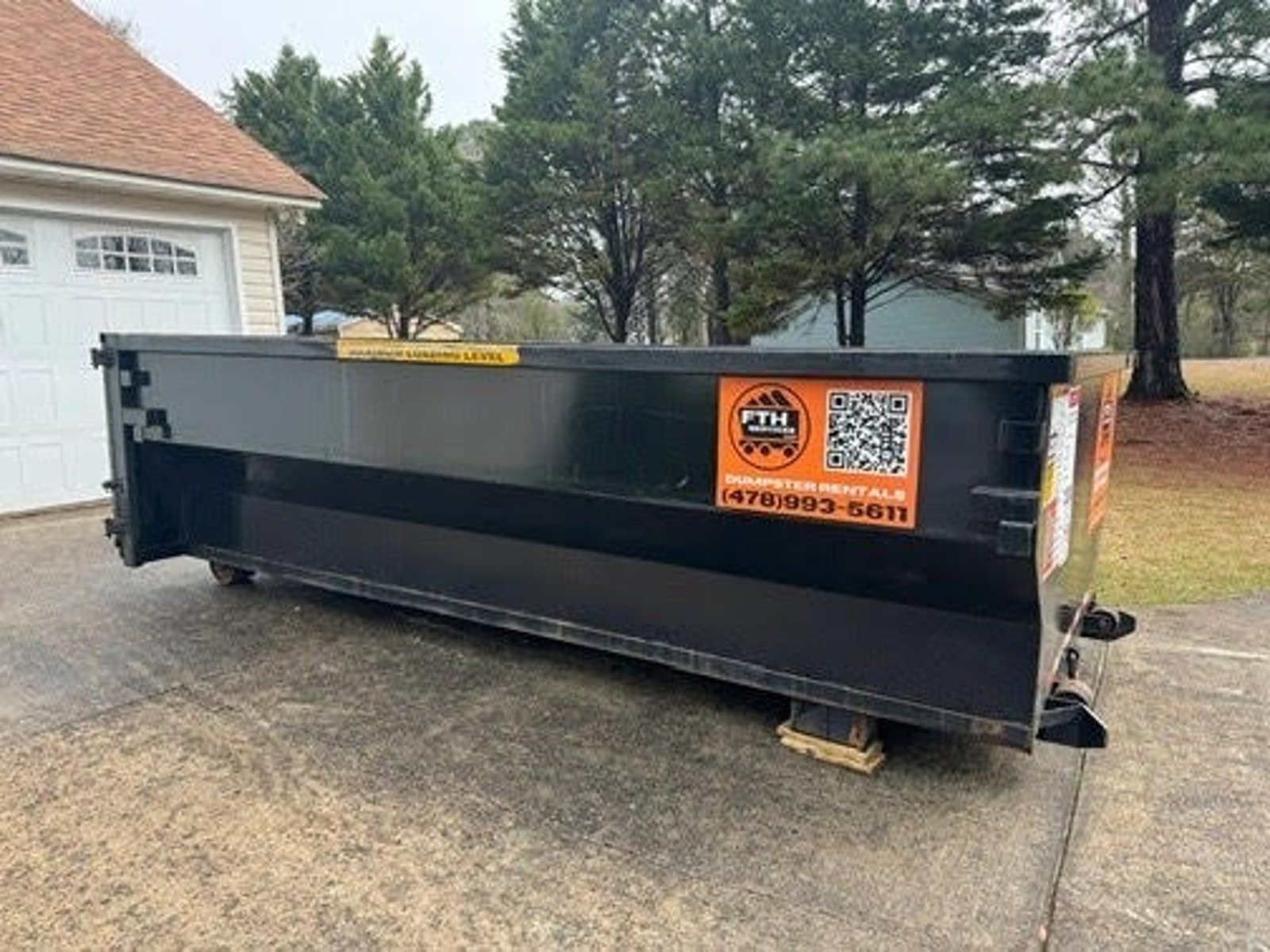
Estate cleanout dumpsters often hold furniture, mattresses, boxes, clothing, bagged household trash, small fixtures, and general household debris.
Mattresses and box springs should be loaded early and stood upright when practical so they do not block access later in the cleanup.
Appliances without refrigerant can be accepted in an estate cleanout dumpster when kept accessible near the rear doors. Appliances with refrigerant are not accepted unless refrigerant has been professionally removed.
The 20-yard dumpsters are often the best fit for full-home estate cleanouts. Smaller projects may fit in a 12 or 15-yard dumpster if the debris is limited.
Most household furniture can be loaded when it is not restricted, hazardous, or above the top rail. Mattresses can be loaded first, standing vertically on the long edge when possible. Appliances without refrigerant can be loaded at the rear barn doors. Plan unusually heavy items before loading.
Load bulky furniture first, bag loose trash, keep documents and donation items separate, and spread heavy boxes such as books across the floor instead of stacking them in one area.
These blog articles support this service with practical loading, cost, and planning guidance.
Customers often mention clear pricing, responsive communication, careful placement, and dependable pickup.
“Fred with FTH dumpster rental has been amazing. He went out of his way to get me what I needed and had it there right on time.”— Angie G.
“The rental process, customer service, and flexibility were phenomenal. It is wonderful to keep business local and get great service.”— Jordan F.
“My experience, from start to finish, was very pleasant with FTH. Fred was so helpful with my dumpster selection and helping clean up an old shed.”— Starla D.