
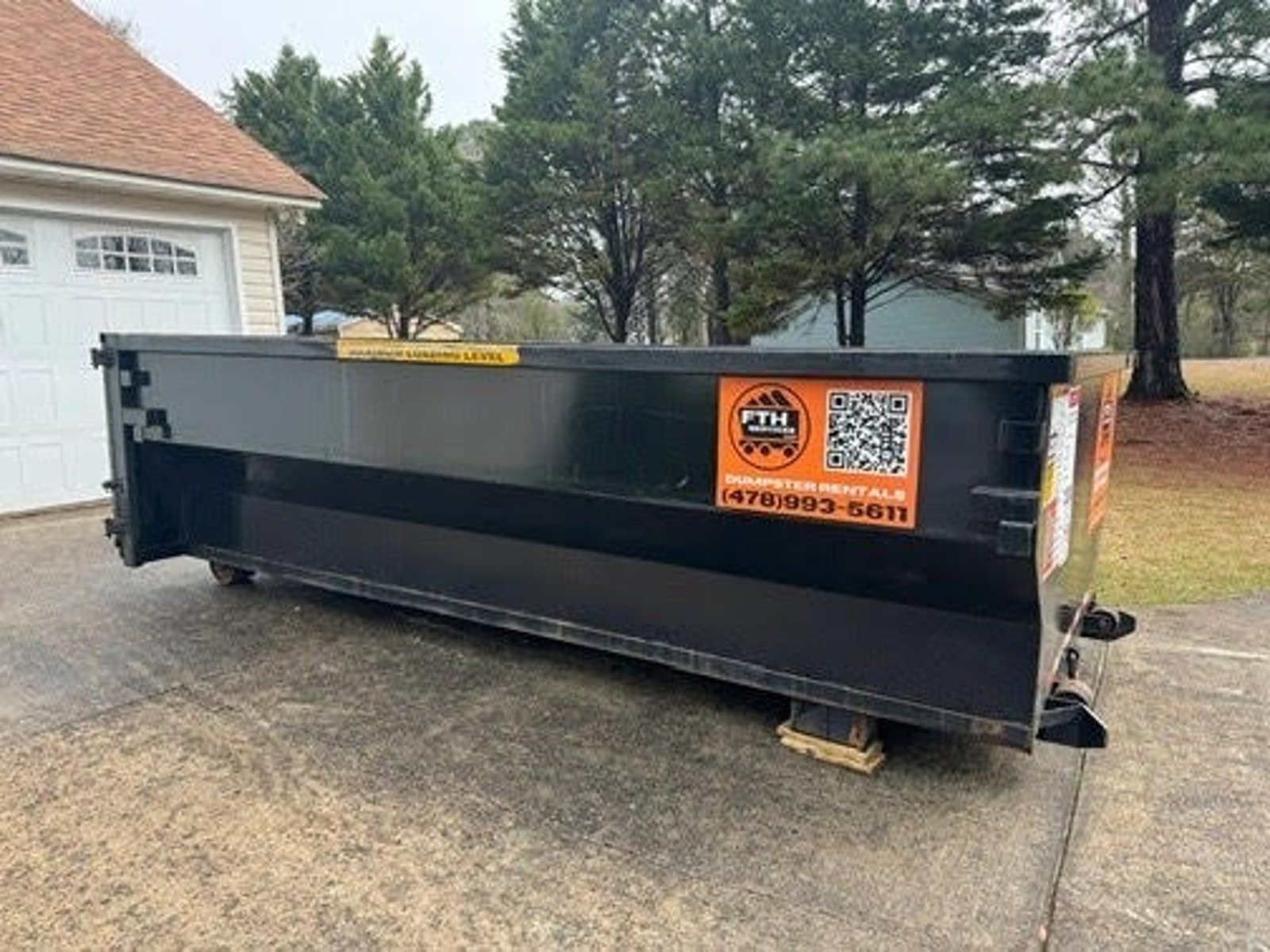
Kitchen remodel debris
Cabinets, counters, sink base material, trim, doors, shelving, packaging, and light demolition debris.
Remodeling debris is usually mixed: cabinets, drywall, flooring, trim, doors, fixtures, packaging, and sometimes heavier material from older homes. A dumpster keeps the work area cleaner and gives the homeowner or contractor one controlled loading point.
FTH Services helps match the dumpster to the project scope, available placement area, and debris type. Heavy material should be loaded low and spread evenly. Concrete, dirt, brick, rock, heavy fill, and tree stumps are not accepted in standard rentals.
Cabinets, counters, sink base material, trim, doors, shelving, packaging, and light demolition debris.
Vanities, toilets, sinks, shower doors, fixtures, drywall, trim, and flooring material.
Carpet, padding, laminate, vinyl plank, hardwood, tile, and underlayment from room updates.
Drywall, insulation, baseboard, casing, doors, closet systems, and wall repair debris.
Shelving, non-hazardous fixtures, cabinets, hardware, and material from built-in removals.
Cardboard, wrap, scrap material, and non-hazardous cleanup debris from contractor work.
Use these estimates to plan the dumpster size and avoid surprise overage. Standard rentals include the disposal weight shown for the selected dumpster, and weight over the included amount is billed at $75 per ton, prorated.
| Common item or material | Typical planning weight | Dumpster planning note |
|---|---|---|
| Drywall | about 1.6–2.2 lb per square foot of 1/2-inch sheet | Wet drywall weighs more. Spread stacks low and avoid concentrating weight in one corner. |
| Carpet and padding | about 0.5–1.5 lb per square foot | Rain can make carpet much heavier. Roll or fold when practical. |
| Kitchen cabinet section | about 40–120 lb each | Break down boxes and shelves when practical to save space. |
| Toilet | about 70–120 lb each | Residential fixtures are common remodel debris; load low and avoid breaking porcelain into loose sharp piles. |
| Bathroom vanity | about 80–200 lb each | Weight depends on top material and size. Stone tops can be much heavier than standard vanities. |
| Interior door | about 20–80 lb each | Flat items are best loaded low or along the side wall. |
These are planning estimates only. Actual scale weight varies by size, moisture, material density, brand, construction method, and how the load is packed. FTH Services uses disposal facility weight tickets for final billing when overage applies.
Remodeling debris is usually mixed. Cabinets, flooring, drywall, doors, trim, fixtures, packaging, and small demolition debris may all go into the same container when allowed. However, tile, wet material, and dense demolition debris can add weight quickly.
Break down cabinets, doors, and long trim when practical. Load flat material first, then place bulky items so they do not waste open space. Also spread heavier material across the floor instead of stacking it in one corner.
Concrete, dirt, brick, rock, heavy fill, and tree stumps are not accepted in standard rentals. Ask before loading unusual material from older homes or larger renovations.
Remodeling debris commonly includes cabinets, flooring, drywall, trim, doors, vanities, fixtures, packaging, and light demolition material.
A remodeling dumpster is often a 15 or 20 yard dumpster for normal renovation work. Larger projects or bulky debris may need the 20 yard option.
Remodeling debris should be loaded with dense material low, weight spread across the floor, bulky pieces broken down when possible, and all debris below the top rail.
Common remodeling debris includes cabinets, drywall, flooring, trim, doors, fixtures, packaging, and light demolition debris. Keep restricted items out and plan unusually heavy material before loading.
Small amounts of tile from a normal remodel may need review before loading because tile is heavy. Concrete, dirt, brick, rock, and heavy fill are not accepted in standard rentals.
The 15-yard is useful for many bathroom and smaller kitchen projects. The 20-yard dumpsters are better for larger remodels, bulky debris, or contractor cleanup.
These blog articles support this service with practical loading, cost, and planning guidance.
Customers often mention clear pricing, responsive communication, careful placement, and dependable pickup.
“We needed a large dumpster since we were renovating and doing a general junk clean out. I am so impressed with this company.”— Catherine H.
“FTH Services is the go-to roll off dumpster rental company in Jackson, GA. I needed a reliable dumpster rental for my home renovation project, and they delivered beyond my expectations.”— Deidra B.
“Very professional, on time, and very understanding when we needed to unload and get another one. Gave me extra time to finish the job.”— Nicole T.